As an Amazon Associate I earn from qualifying purchases. These links may earn this site a commission when you buy, at no extra cost to you.
The right fishing boots protect feet from cold, wet conditions, provide solid traction on slick decks, and endure rugged environments. This guide highlights five top options that balance waterproofing, support, and durability for professional use on boats, docks, and commercial chaparral waterways. Each pick is evaluated for grip on wet surfaces, water management, and long-wield comfort to support all-day operations.
Use the quick summary table below to compare core specs at a glance, then explore each product section for detailed features and practical considerations. The selections emphasize different environments—from slippery decks to rocky shores—so you can choose boots that match your workflow and climate.
| Product | Brand | Type | Notable Feature |
|---|---|---|---|
| HUK Mens Rogue Wave Shoe | HUK | Deck Boot/Shoe | Full neoprene and rubber upper; non-slip outsole with drainage |
| FROGG TOGGS Hellbender Boot | FROGG TOGGS | Wading Boot | Felt or cleated soles; water-draining upper; cushioned midsole |
| XTRATUF 6-Inch Ankle Deck Boots | Xtratuf | Ankle Deck Boots | Chevron non-slip outsole; evaporative cooling liner |
| Piscifun Deck Boots | Piscifun | Deck Boots | 100% waterproof; non-slip grip; drainage channels |
| TIDEWE Hip Wader | TIDEWE | Hip Wader | Lightweight 2-ply PVC/Nylon; fully waterproof |
HUK Mens Rogue Wave Shoe

The Huk Rogue Wave Shoe is built for wet decks and variable weather. It uses a full neoprene and rubber upper to deliver durability and comfort in damp conditions, with a non-slip outsole designed to maintain grip on slick surfaces. The tread pattern features multidirectional lugs that help secure footing on wet decks, while micro-channel openings promote water escape to reduce slippage. The shoe’s construction focuses on a low-profile profile suitable for quick movements on commercial vessels.
In practice, this boot/shoe combination suits deck crews who need reliable traction after rain or spray and who move quickly between zones on a boat. The design prioritizes waterproofing and grip, making it a practical option for long shifts at docks or on open water. The 8mm toehold of foam and padding supports all-day wear without excessive bulk, and the entry remains straightforward for wet, cold days.
FROGG TOGGS Hellbender Wading Boot

The Hellbender Fishing Wading Boot from Frogg Toggs is designed for environments that require varied traction options. It is available with felt or cleated soles to match wet rocks, gravel, mud, or debris. Water drainage is facilitated by a breathable upper with reinforced toe and heel caps, keeping feet dry on long days. A polyurethane midsole provides cushioned comfort, while a wide wading last adds stability. Speed laces with a secure locking clip enable fast fitting, which is helpful during busy on-water operations.
From a performance perspective, this boot adapts to dynamic river and shore environments where traction and drainage are critical. The flexible upper and sturdy midsole support extended wear, making it a favorable choice for crew members who navigate rocky banks or coral-like docking areas while maintaining footing on uneven surfaces.
XTRATUF 6-Inch Ankle Deck Boots

XTRATUF’s 6-inch Ankle Deck Boots are a staple for on-water athletes and commercial crews seeking reliable ankle-high protection. The boot’s Chevron outsole provides slip resistance on wet, slippery decks, while the lightweight silhouette reduces fatigue over long shifts. An evaporative cooling liner helps regulate foot temperature, which is especially useful in warmer docks or boats. The combination of durable rubber and a snug fit makes these boots a durable workhorse for daily water-related tasks.
In practice, these boots excel in saltwater and freshwater dock environments where surface slickness and long standing hours are common. The non-marking outsole helps protect polished decks, and the overall design emphasizes ease of movement, balance, and foot comfort during repetitive steps across wet surfaces.
Piscifun Deck Boots

Piscifun Deck Boots are designed for total waterproof performance with a neoprene and soft rubber upper. This pairing helps keep feet dry in persistent spray and during walks through shallow water. The outsole features a non-slip traction pattern and micro-channel drainage to minimize water pooling and reduce the risk of slips on wet decks. The boots are positioned for durability during long field days, with reinforced toe and heel areas for added protection.
Size and fit considerations are noted by customers as important for these boots. The product page cautions buyers to check the size chart and consider insole length when selecting a size, ensuring a secure fit for daily wear and long shifts. This attention to sizing helps prevent hotspots during extended use on commercial vessels or riverbanks.
TIDEWE Hip Wader
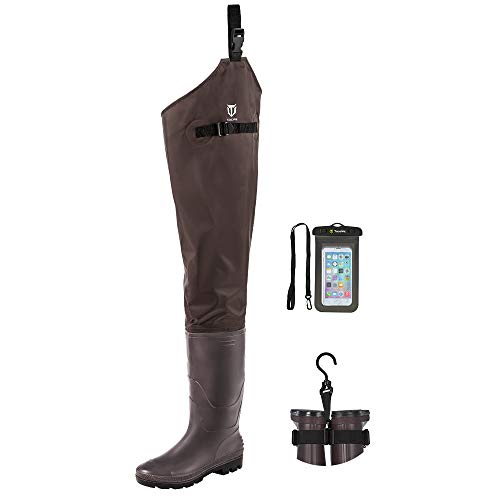
The Tidewe Hip Wader provides a lightweight option for waist-deep activities. Constructed with 2-ply PVC and nylon uppers, it claims 100% waterproof performance while reducing bulk compared with heavier rubber waders. The design emphasizes mobility, allowing crews to move across docks, muddy banks, and shallow water without excessive fatigue. The fit is tuned for a range of leg sizes, but buyers are advised to size up if thigh circumference is a concern, as noted in the product guidance.
For professionals who work near the waterline or in hip-high water, these waders deliver dependable waterproofing with a focus on ease of movement. They pair well with insulating socks or liners in cooler climates and can be integrated into daily on-water routines where quick step in and out of water is frequent and required for performance tasks.
Buying Guide
Choosing commercial fishing boots depends on the work environment, climate, and the specific tasks you perform. This guide outlines key purchase considerations from multiple angles to help you select boots that balance waterproofing, traction, and durability for long shifts on boats, docks, and shorelines.
Waterproofing and Materials
- Neoprene uppers provide flexible, thermal protection and good water resistance, ideal for spray and rain-heavy days.
- Rubber uppers offer rugged waterproofing and durability in harsh conditions but can be stiffer in cold weather.
- PVC and synthetic blends keep costs down and are suitable for light to moderate wet work; ensure seams are sealed and taped for long-term reliability.
Traction and Stability
- Outsole design matters: Chevron patterns excel on wet decks, while lugged soles perform better on mud, gravel, and slippery shorelines.
- Drainage features reduce slick water buildup inside boots; look for micro-channel openings or venting to maintain grip.
- Durability of the outsole is critical for long-term use; check for reinforced toe and heel protection in high-wear zones.
Fit, Comfort, and Sizing
- Consider half sizes and width options for all-day wear; a snug fit prevents rubbing and blisters during long shifts.
- Some models warn about loose fit or require size adjustments; always review size charts and insole lengths before purchasing.
- Breathability and inner padding influence comfort in warm conditions and during extended wear on deck or shore.
Durability and Maintenance
- Seam strength, reinforced toes, and heel counters contribute to longevity when exposed to abrasive surfaces and frequent use.
- Maintenance steps include rinsing saltwater after exposure and storing boots dry to prevent material degradation.
- Check for breathable linings and removable insoles that support daily cleaning and sanitization in professional settings.
Environment and Use Case
- Saltwater environments demand corrosion resistance and durable outsoles; freshwater uses may stress different materials but emphasize traction and comfort.
- Deck work requires quick-footing and balance on slick surfaces; wading boots and hip waders excel in rocky or muddy banks where foot placement matters.
- Weight matters for all-day wear: lighter boots reduce fatigue, while heavier boots may offer more protection and ankle support.