As an Amazon Associate I earn from qualifying purchases. These links may earn this site a commission when you buy, at no extra cost to you.
The metalworking world relies on lubricants that reduce friction, transfer heat, and extend tool life when metal meets metal. This guide highlights reliable metal-on-metal lubricants, from water-based compounds to dry lubes and synthetic greases. The right choice depends on the metal you work, the machining operation, and the environment. Below, five top products are featured with a buying guide that explains how to compare performance, durability, and application methods across common metals and workloads.
To help you compare quickly, a summary table lists the five selected products with their brands, type, and core benefit. Then each product section explains practical use cases, noting material compatibility and application tips for better results.
| Product | Brand | Type | Key Benefit |
|---|---|---|---|
| Anchorlube All-Purpose Metalworking Compound 8oz | Anchorlube | Water-Based Cutting Fluid | Prolongs Tool Life; smooth cuts on stainless steel and exotic metals |
| Anchorlube All-Purpose Metalworking Compound 16oz | Anchorlube | Water-Based Cutting Fluid | Non-hazardous; fast, smooth cuts; oil-free |
| WD-40 Specialist Dry Lube With Smart Straw | WD-40 Specialist | Dry Lubricant Spray | Reduces friction; broad surface compatibility; -50°F to 500°F |
| Super Lube 31110 Aerosols | Super Lube | Synthetic Grease Aerosol | No drip; long-lasting wear protection; NSF H1 |
| 2-Pack Evo Dyne Cutting Oil Fluid 8oz | Evo Dyne | Cutting Oil | Extends tool life; reduces heat and wear |
Anchorlube All-Purpose Metalworking Compound 8oz
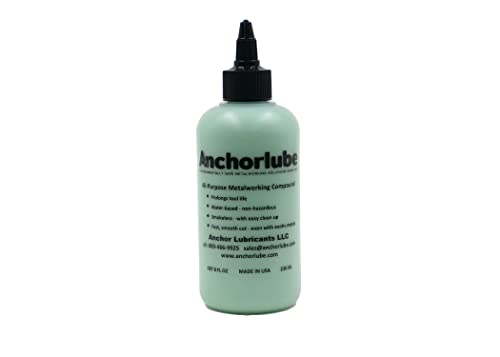
Anchorlube’s 8-ounce water-based metalworking compound is designed for drilling, tapping, and sawing. The formulation delivers fast, smooth cuts and helps prolong tool life by reducing heat and wear on metal surfaces. Being water-based and non-hazardous, it minimizes oily residues and is safer to handle in busy shop environments. It performs well on stainless steel and exotic metals, making it versatile for mixed-material work. Application requires following manufacturer guidelines for dilution and replacement to maintain optimal performance.
Used as a cooling and lubricating fluid during cutting operations, this product supports clean tool paths and reduces chatter. Its oil-free nature makes it a good choice for shops prioritizing low residue and safer handling, especially on lighter-colored metals where staining is a concern. For best results, apply consistently during the cut and replace the compound when tool wear becomes noticeable, ensuring a steady film forms across the cutting interface.
Anchorlube All-Purpose Metalworking Compound 16oz

Anchorlube’s 16-ounce water-based metalworking fluid provides the same safe, oil-free lubrication with extended run time. Its non-hazardous formula supports fast, smooth cuts on stainless steel and exotic metals while protecting tools against heat buildup. The larger size makes it practical for shops with frequent drilling, tapping, or sawing tasks. Like the smaller bottle, it minimizes messy residues and is easier to rinse from workpieces, helping maintain a clean workstation in busy production environments.
Practical use in a shop setting includes maintaining steady flow during continuous cuts and ensuring equipment is cleaned between jobs to prevent buildup. The liquid’s water-based nature means it performs best when applied frequently enough to sustain a consistent lubricating film across the cutting interface, especially during longer operations or when cutting harder alloys.
WD-40 Specialist Dry Lube With Smart Straw

WD-40 Specialist Dry Lube with PTFE offers a dry lubricant option designed to reduce friction and wear on blades, bits, lathes, and other moving metal parts. The PTFE film forms a protective layer that minimizes direct metal contact, suppressing wear while resisting dirt and dust intrusion. It remains effective across a wide temperature range from -50° F to 500° F and is safe for use on wood, paper, fabrics, leather, metal, and many plastics, with exceptions noted by the manufacturer. The product is VOC compliant and widely applicable in industrial settings.
This dry-lubrication approach is particularly useful on sliding surfaces, hinges, and tools where oil can attract dust or soil. For best results, apply in a thin, even coat and avoid heavy, continuous applications on surfaces that require a liquid film for heat dissipation. While versatile, it may not replace cutting fluids for high-load metal cutting tasks where chip flow and heat removal are critical.
Super Lube 31110 Aerosols, Multi-Purpose

Super Lube 31110 Aerosols deliver a synthetic grease in an easy-to-apply aerosol form. The product provides superior wear protection and features a microscopically transferred PTFE film that reduces friction at moving interfaces. It is NSF-certified for food-grade uses (H1), making it suitable for equipment with incidental contact with edible products. This aerosol is designed to stay put on sliding components, bearings, and hinges, forming a reliable lubricating film without dripping or running.
The lubricant excels for metal-on-metal components that require long-lasting protection and minimal residue. It is not intended as a primary cutting fluid for high-speed metalworking but works well on guides, slides, and other friction-prone areas of machinery. Use sparingly on exposed metal surfaces to avoid attracting dust or debris in dirty environments.
2-Pack Evo Dyne Cutting Oil Fluid 8oz

2-Pack Evo Dyne Cutting Oil Fluid 8oz is designed for metal cutting and drilling under high pressure. This cutting oil works on all metals, including stainless steel and titanium, helping to reduce tip welding, improve machine finishes, and prevent pitting and metal seizures. The product is described as extending the life of cutting tools and equipment, making it a practical choice for shops performing frequent drilling and milling tasks. It supports easier hand drilling and thread cutting by reducing friction and heat buildup on the cutting interface.
For best results, apply Evo Dyne during cutting operations and monitor tool wear to determine replacement intervals. The 2-pack provides availability for ongoing workloads, reducing downtime caused by running out of fluid in busy production environments. Proper disposal guidelines should be followed according to local regulations for metalworking fluids.
Buying Guide
Lubricant Types And When To Use Them
Metal-on-metal lubrication options fall into several categories. Water-based fluids provide safe, oil-free cooling and lubrication with easier cleanup, suitable for light to moderate cutting on a range of metals. Dry lubricants, often PTFE-based, minimize residue and dust attraction in clean environments but may offer less heat dissipation under heavy loads. Synthetic greases and semi-synthetic oils deliver longer film strength and are effective on moving parts and bearings. Understanding the load, speed, and heat generated by your operation helps determine whether a water-based, dry, or grease-based lubricant is best.
Metal Compatibility And Application Methods
Different metals respond differently to lubricants. Stainless steel and exotic alloys often benefit from low-odor, low-residue fluids that reduce heat and prevent galling. Aluminum finishes require careful oil selection to prevent staining. Titanium requires lubricants with high film strength to resist welding. Application methods include direct spray, dip, brush, or constant flow during machining. Always follow manufacturer dilution and application guidelines to maintain consistent performance and minimize waste.
Temperature, Load And Wear Considerations
High-load cutting and drilling generate heat, increasing the risk of tool wear and workpiece distortion. Dry lubricants tend to shine in low-dust environments with moving parts, while water-based fluids excel in heat removal and chip control. For severe cutting, consider cutting oils or semi-synthetic formulations that maintain a stable lubricating film at elevated temperatures. Temperature ranges on product labels provide guidance on the most suitable scenarios.
Safety, Compliance And Environmental Impact
Non-toxic and non-hazardous formulations reduce health risks in active shops. Look for products with clear safety data sheets, low VOC content, and compliance with relevant standards (such as NSF H1 for incidental food contact). Proper disposal and recycling of metalworking fluids protect workers and the environment. If a product leaves oily residues on light-colored parts or tooling, cleaning steps may be necessary to prevent staining or transfer to subsequent operations.
Cost, Availability And Long-Term Value
Cost per tool life is a practical way to compare products. Some lubricants come in larger sizes that reduce frequency of replacement, while others offer superior performance for specific metals or operations. Consider your typical workload, maintenance schedule, and shop size when selecting a product family. Availability through reputable suppliers and consistent quality control are important for minimizing downtime and maintaining consistent finishes across batches.