As an Amazon Associate I earn from qualifying purchases. These links may earn this site a commission when you buy, at no extra cost to you.
Choosing the right oil for a classic American car means balancing protection with familiar, easy-to-find formulations. The five selections below cover common vintage viscosities and additive packages used by enthusiasts and restorers. Review the quick table for a snapshot of each product, then read deeper in the sections that follow to see how the oil aligns with your engine, climate, and driving style.
| Product | Brand | Viscosity | Why It Fits Classic Cars |
|---|---|---|---|
| Valvoline VR1 Racing 20W-50 | Valvoline | 20W-50 | Racing-grade protection |
| Castrol GTX 10W-40 | Castrol | 10W-40 | Sludge protection |
| Lucas Oil Hot Rod & Classic Car 10W-40 | Lucas Oil | 10W-40 | Classic-focused formula |
| Castrol GTX Classic 20W-50 | Castrol | 20W-50 | High film strength |
| Castrol GTX 10W-30 | Castrol | 10W-30 | Balanced protection |
Valvoline VR1 Racing 20W-50 Oil

Valvoline VR1 Racing 20W-50 motor oil is marketed as America’s #1 racing oil, designed for high-performance gasoline engines and engines that burn full or partial alcohol fuels. The 20W-50 viscosity helps maintain a robust oil film when engines operate at high RPMs or under extreme heat, common in hot-weather driving or spirited classic-car use. This formulation protects critical components during demanding conditions, including pistons, cams, and bearings that experience wear in older engine designs. The oil’s additives emphasize friction modifiers to minimize energy losses and help keep temperatures in check.
With its added zinc content, VR1 aims to deliver enhanced anti-wear protection on metal-to-metal contact points, which matters for classic engines with flat-tappet cams or looser tolerances. This can be beneficial for engines that see extended idle periods followed by sudden accelerations, where film strength matters. For vintage cars that tolerate a higher-viscosity oil, VR1 is a performance-oriented option that still meets conventional lubrication standards. Always verify compatibility with your engine and climate, and consider how your car is driven before choosing a racing-styled oil for daily use.
Castrol GTX 10W-40 Conventional Oil

Castrol GTX 10W-40 Conventional Motor Oil provides a broad protection profile suited to many older and classic engines. The 10W-40 viscosity supports cold starts and protects against viscosity and thermal breakdown as engines warm up and operate under varied conditions. This formulation emphasizes protection against engine sludge, a common concern in aging engines, and relies on premium base oils with anti-wear additives to extend engine life. For classic cars that spend time at idle or in street driving, GTX 10W-40 can deliver reliable lubrication without the complexity of specialty racing oils.
With a proven track record, Castrol GTX 10W-40 is widely used in classic and daily drivers because it balances protection with straightforward maintenance. The formula is designed to resist breakdown under heat and stress while helping to minimize sludge buildup. For many vintage engines, especially those that see regular street use, this oil offers predictable performance and a familiar viscosity that fits a broad range of engine tolerances.
Lucas Oil Hot Rod & Classic Car 10W-40 Oil

Lucas Oil 10683 Hot Rod & Classic Car SAE 10W-40 Motor Oil is marketed toward enthusiasts rebuilding and maintaining older hot rods and classic vehicles. The 10W-40 viscosity provides a balance between cold-start performance and film strength for engines with looser tolerances. The product listing notes fit type as Vehicle Specific, and it ships with packaging details that may be relevant for hobbyists tracking compatibility with their model year and engine setup. This oil aims to deliver dependable protection across a range of electrical or mechanical stresses encountered in classic driving scenarios, from Sunday cruises to track day simulations.
Lucas Oil products typically emphasize tested performance, and the Hot Rod formula focuses on aging engines that may burn a mix of fuels or experience heat during long drives. The 10W-40 grade supports engine longevity by maintaining a stable film under load, while additives address corrosion and wear in metal surfaces. For collectors and hobbyists maintaining stock configurations, this oil provides a familiar baseline for lubrication. As always, verify the manufacturer’s guidance for your specific engine, drivetrain, and climate, and consider whether a classic-cars-focused formula best matches your maintenance plan.
Castrol GTX Classic 20W-50 Oil
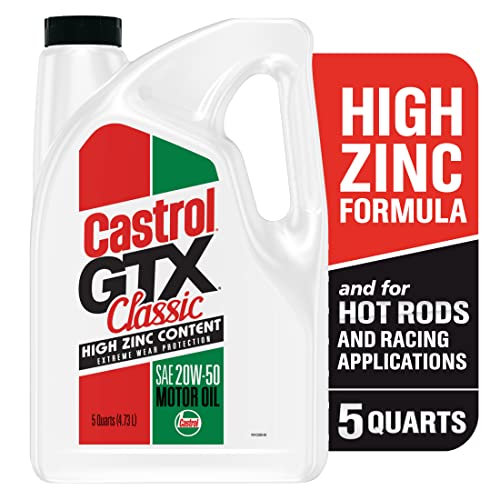
Castrol GTX Classic 20W-50 Conventional Motor Oil is designed to support older engines that require a thicker oil film. The 20W-50 viscosity helps maintain film strength under heavy loads and higher temperatures typical of classic cars, especially when engines are tuned for torque and leisurely acceleration. The formulation emphasizes high zinc and phosphorus for wear protection and to bolster anti-wear performance on vital components. It also helps the oil resist thermal degradation, which can be a concern in hot climates or during long drives. For collectors and restorers, it offers a familiar, traditional option that aligns with classic engineering.
This oil’s protective film helps maintain lubrication through high-stress periods, while minimal foaming and resistance to thermal degradation support reliability in vintage cooling conditions. This makes it a sensible option for engines with historical wear patterns or for hobbyists maintaining stock configurations.
Castrol GTX 10W-30 Oil

Castrol GTX 10W-30 Conventional Motor Oil delivers advanced protection against viscosity and thermal breakdown while guarding against engine sludge. The 10W-30 grade is a common choice for many classic engines that require good cold-start performance and dependable heat tolerance. The product uses premium base oils and anti-wear additives to help extend engine life, particularly in vehicles that see regular stop-and-go or infrequent maintenance. For vintage cars where owners want simplicity and a well-known brand, GTX 10W-30 provides a familiar lubrication baseline that supports a wide range of drive cycles.
For engines with older tolerances, the 10W-30 option may help reduce excessive oil consumption and improve startup behavior in moderate climates. However, owners should confirm that the chosen viscosity aligns with engine design, climate, and the car’s typical operating conditions. Castrol GTX 10W-30 serves as a reliable, widely available choice for classic cars that prioritize traditional lubrication and ease of maintenance.
Buying Guide
Viscosity And Climate Considerations
Viscosity should match both engine design and climate. Thicker oils like 20W-50 provide better film strength in hot climates or engines built for high torque, but they may create higher drag in cold starts. Lighter grades such as 10W-40 or 10W-30 offer easier starts in cooler weather and reduce internal friction during warm-up, which can be beneficial for engines with looser tolerances. For classic cars with temperature fluctuations, consider your usual driving season, storage conditions, and whether the engine has flat tappet cams that demand extra anti-wear protection.
Maintenance and compatibility: Always check owner’s manual and consider oil change intervals. If you drive a high-mileage classic with known gasket issues, additives or stop-leak products may be useful—but verify compatibility with the base oil. For enthusiasts using older engines with ethanol-blended fuels, a higher zinc anti-wear formulation can help protect cam lobes and metal surfaces. In many cases, Castrol GTX Classic in a 20W-50 or a 10W-40 option provides dependable protection; for racing-style performance or hot-rods, VR1 offers heavy-film protection.
Engine Type, Fuel And Driving Style
Engine type matters: engines with aggressive cam profiles or flat tappets may benefit from oils designed for higher film strength and zinc content. Fuel type also affects lubrication needs; engines that run on blends containing alcohol can demand additives that resist washout and maintain protection at high temperatures. Consider how often you drive, whether your car sits for extended periods, and if you participate in events that push the engine to higher RPMs. The right choice balances protection, reliability, and maintenance practicality for your specific classic car.
Durability, Cleanliness And Additives
Sludge resistance, oxidation stability, and anti-wear performance are key for aging engines. Higher zinc-containing formulations can protect valve gear and cam lobes, but some modern oils trade off zinc for broader compatibility with newer engines. For restorations that maintain stock specifications, a traditional base oil with proven sludge control can be ideal. If you’re chasing performance in a vintage racer, a racing-grade oil with robust film strength may be appropriate, provided it aligns with engine design and the owner’s guidelines.
Maintenance Planning And Compatibility
Plan oil changes around your driving routine and climate. Classic cars that see infrequent usage may benefit from oils formulated to resist varnish, deposits and sludge, while cars driven regularly in warm months may tolerate thicker films. Always confirm viscosity recommendations from the vehicle’s manual, and verify that any additives or stop-leak products you use are compatible with your chosen base oil. Balancing engine longevity with authenticity helps keep a classic car reliable on the road.